The atelier — why every preschool should have a creative studio
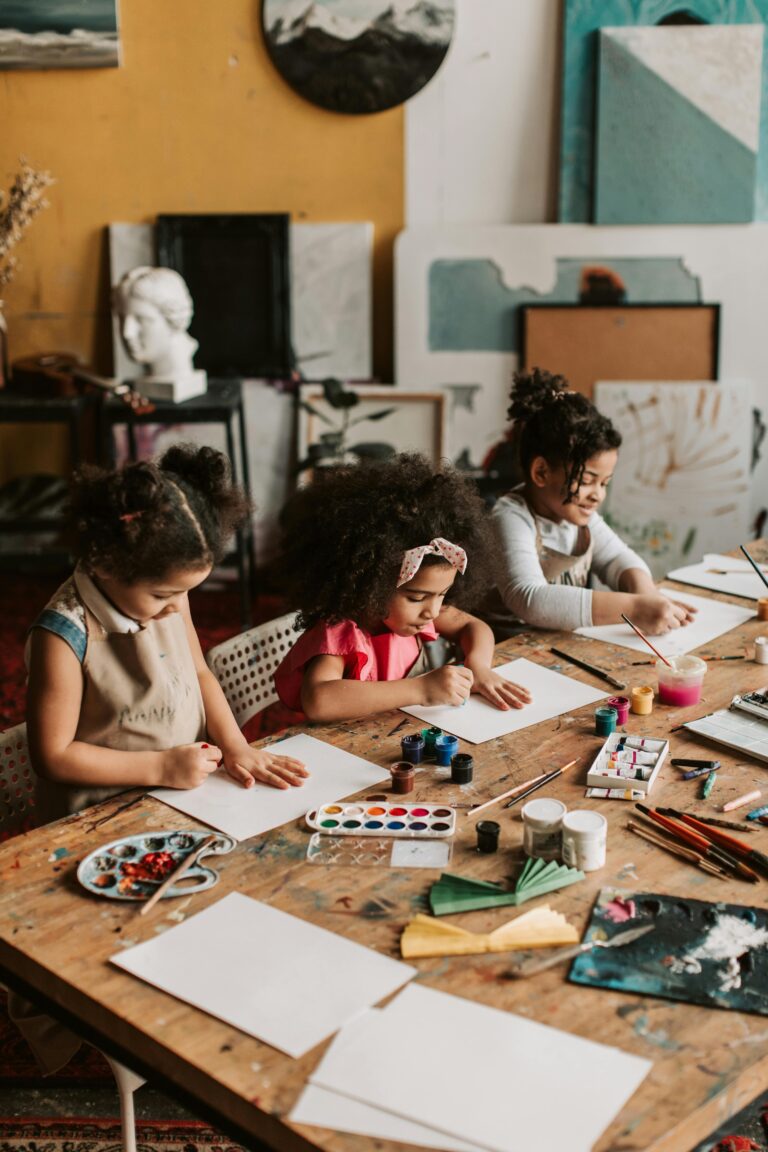
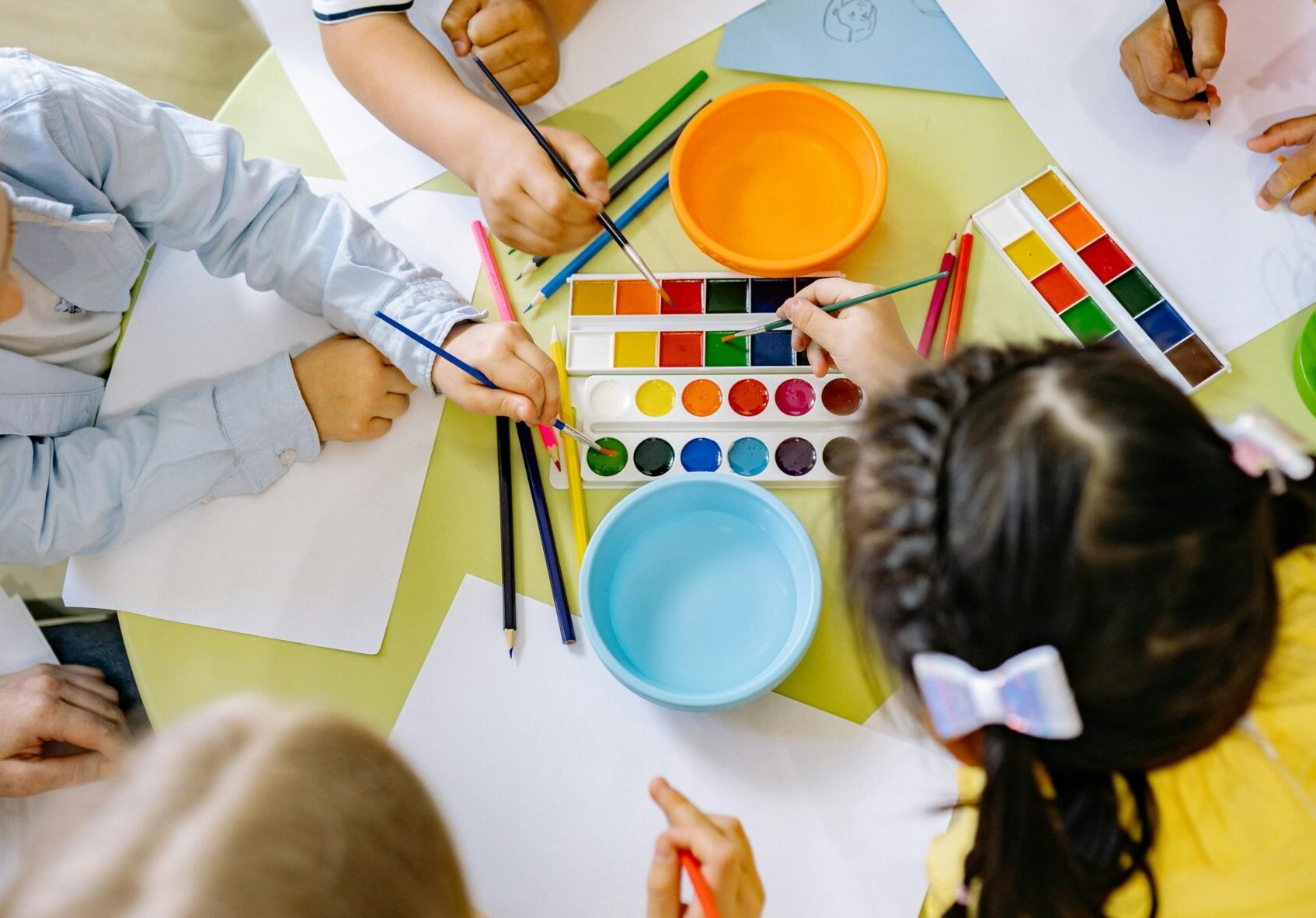
When you walk into the atelier of a preschool inspired by the Reggio Emilia philosophy, you immediately feel that it is a special place. On the shelves stand jars of pigment in every colour of the rainbow, clay figures dry on the windowsill, and there are brushes of every thickness, pieces of wood, fabrics, beads and shells. It is not an ordinary art room — it is a laboratory of expression where children discover their “hundred languages”.
What is an atelier?
The atelier is one of the key ideas in Reggio Emilia pedagogy. The term comes from French and means an artist’s studio — a place where art is made. In a preschool, the atelier is a space where children can express their thoughts, feelings and discoveries using a variety of materials and creative techniques: painting, drawing, sculpture, collage, construction and even experiments with light and sound.
In Reggio Emilia preschools the atelier is run by an atelierista — a person with an artistic background who does not teach children “how to draw”, but accompanies them in the creative process, provides materials, asks inspiring questions and helps document their work. Vea Vecchi, a long-time atelierista in the Reggio Emilia preschools, wrote that the role of the atelier is to give children back their hundred languages. At Accademia dei Piccoli our teachers take on this role with great passion and sensitivity.
The hundred languages in practice
The atelier is the space where the philosophy of the “hundred languages of children” takes material shape. Malaguzzi believed that children express themselves in many ways — not only with words, but also with images, movement, sound and building. The atelier gives them the tools for these forms of expression.
When a four-year-old paints their family, they are not simply making a drawing — they are telling a story. When they model a “house for a beetle” they found in the garden out of clay, they are processing their experience and giving it form and meaning. When a group of children builds a “city of the future” together from cardboard and coloured paper, they negotiate, plan and share a vision. All of this is learning — it just happens through creating rather than sitting and listening. Every piece of creative work is also an act of communication — the child is telling us something important, even without using words.
Process, not product
One of the most important principles of atelier work is that the process matters, not the end product. In the traditional approach to “art class”, children get a template and instructions: “today we’re making a snowman — stick circles here, here and here”. The result: twenty identical snowmen and no creative thinking at all. In a Reggio-inspired atelier, children don’t get templates. They get materials, space and encouragement to explore.
The result is that every piece of work is different, because every child is different. One child may paint a snowman with four heads because “he’s happier with friends”. Another may paint a snowstorm instead, because they are “more interested in where snow comes from”. A third may give up painting and build a snowman out of play dough because they “want to touch it”. Each of these responses is valuable because it expresses the child’s individual way of thinking. The teacher does not judge which answer is “better” — they celebrate each one.
The atelier beyond the classroom
In the Reggio Emilia approach the idea of the atelier is not limited to a single room. Mini-ateliers — creative corners with materials — can exist in every room and even outdoors. In our garden children can paint in the open air, build with natural materials or create “installations” from leaves, stones and sticks — so-called land art, which beautifully combines art and nature. Creativity doesn’t need four walls — it needs inspiration, and nature is an inexhaustible source of it.
What does the atelier give a child?
The benefits of atelier work go far beyond artistic skills. Children learn concentration and patience — working with clay requires calm, precise movements. They develop fine motor skills — painting, cutting and modelling are excellent exercises that prepare the hand for writing. They build self-confidence — every creative piece is unique and valuable. They learn to make decisions — what to paint, in which colour, which material to choose. They develop abstract thinking — how do I show something I feel? How do you draw joy? How do you show longing?
At Accademia dei Piccoli the atelier is the heart of the preschool — a place where children’s creativity meets the care of adults, and from this meeting come works that are often breathtaking. Not because they are “pretty” in the traditional sense, but because they are authentic, full of expression and tell stories that only children can tell.
An atelier at home — it’s possible
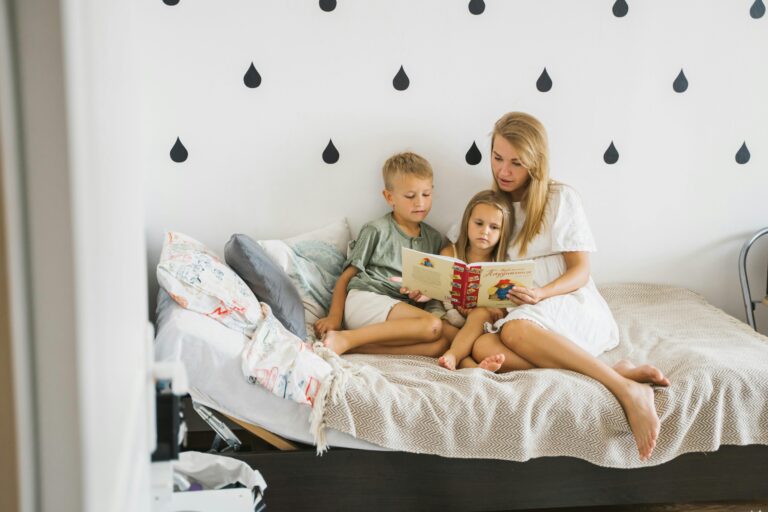
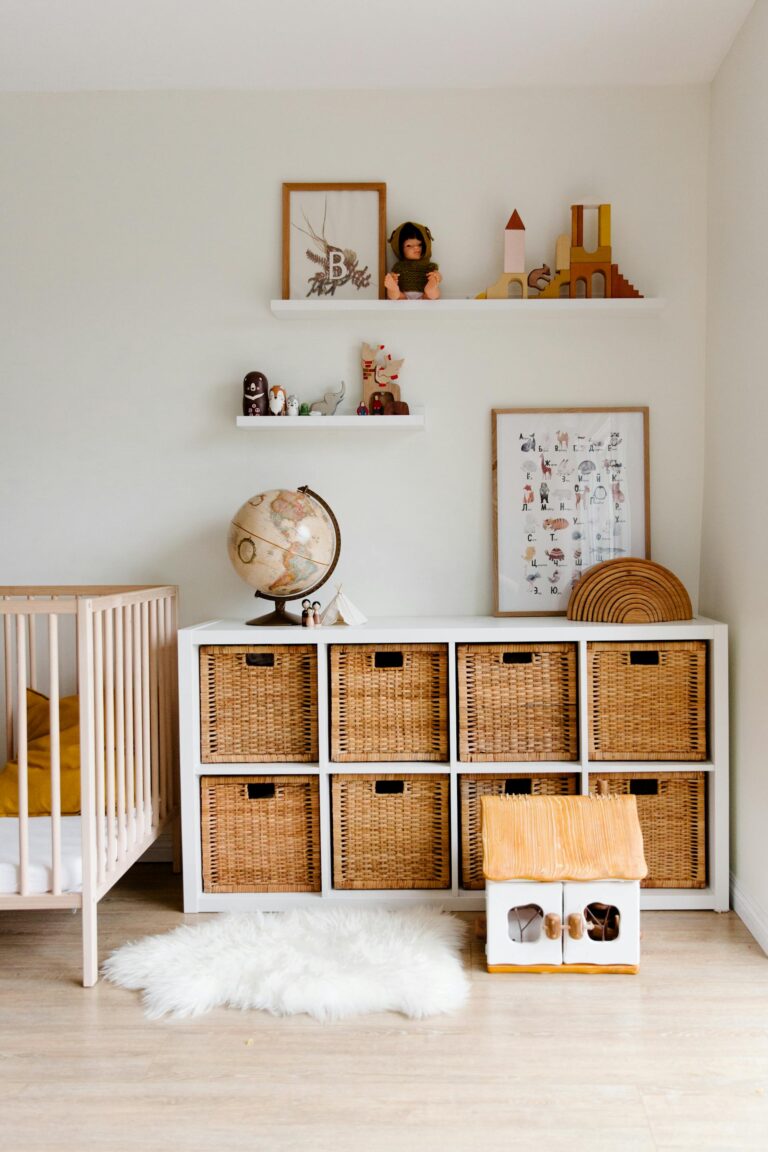
You don’t need a separate studio to create a home atelier for your child. A shelf of art materials within the child’s reach, a corner of the floor protected with plastic sheeting or an old oilcloth, and permission to make a mess are enough — because there is no creating without mess. Offer your child open-ended materials: clay, paints, paper, string, buttons and natural objects. Don’t answer “what should I draw?” — let the child ask themselves that question. And remember: the process matters, not the result. Every creative moment has value — even if the end result is an abstract blob you can’t name.
Sources and further reading
- Vecchi V., Art and Creativity in Reggio Emilia: Exploring the Role and Potential of Ateliers in Early Childhood Education, Routledge, 2010.
- Edwards C., Gandini L., Forman G. (eds.), The Hundred Languages of Children: The Reggio Emilia Experience in Transformation, 3rd ed., Praeger, 2012.
- Ceppi G., Zini M. (eds.), Children, Spaces, Relations: Metaproject for an Environment for Young Children, Reggio Children – Domus Academy Research Center, 1998.

About the author
Katarzyna Jaszczuk
Methodological Director of Accademia dei Piccoli preschool in Kabaty. She is responsible for the Reggio Emilia-based curriculum, pedagogical documentation and supporting teachers in their daily work with children. Meet our team
Read also: What is the Reggio Emilia approach and why does it change the way we think about education? · The environment as the third teacher — how space shapes a child’s development · Supporting your child’s creativity at home — a practical guide for parents
Would you like to see what this looks like at Accademia dei Piccoli?
You are welcome to visit our preschool in Kabaty (ul. Ekologiczna 4). Book by phone: +48 606 125 126 or by email: kontakt@piccoli.pl. You will find answers to the most common questions in our FAQ.