The environment as the third teacher — how space shapes a child’s development
Think of a place where you feel really good. Maybe it’s a cosy corner at home, a café with warm light or a garden full of greenery. Space affects our well-being, creativity and willingness to act — and it affects children even more strongly than adults. In the Reggio Emilia approach this influence is taken very seriously.
The philosophy of the third teacher
In the Reggio Emilia approach space is not just a backdrop for education — it is an active participant in it. Loris Malaguzzi spoke of three teachers: the first is the adult, the second the other children, and the third the environment. This idea has profound practical consequences. If space is a teacher, it has to be designed with the same care with which we prepare the curriculum. Every corner, every material and every source of light sends the child a message.
Mess and chaos say: “there is no order here”. Beauty and order say: “this place cares about you, you deserve beauty”. Closed cupboards say: “don’t touch without permission”. Open shelves with accessible materials say: “choose, explore, create — this is your space”. That is why every element of our interior at Accademia dei Piccoli is deliberately designed with children in mind.
Beauty is not a luxury
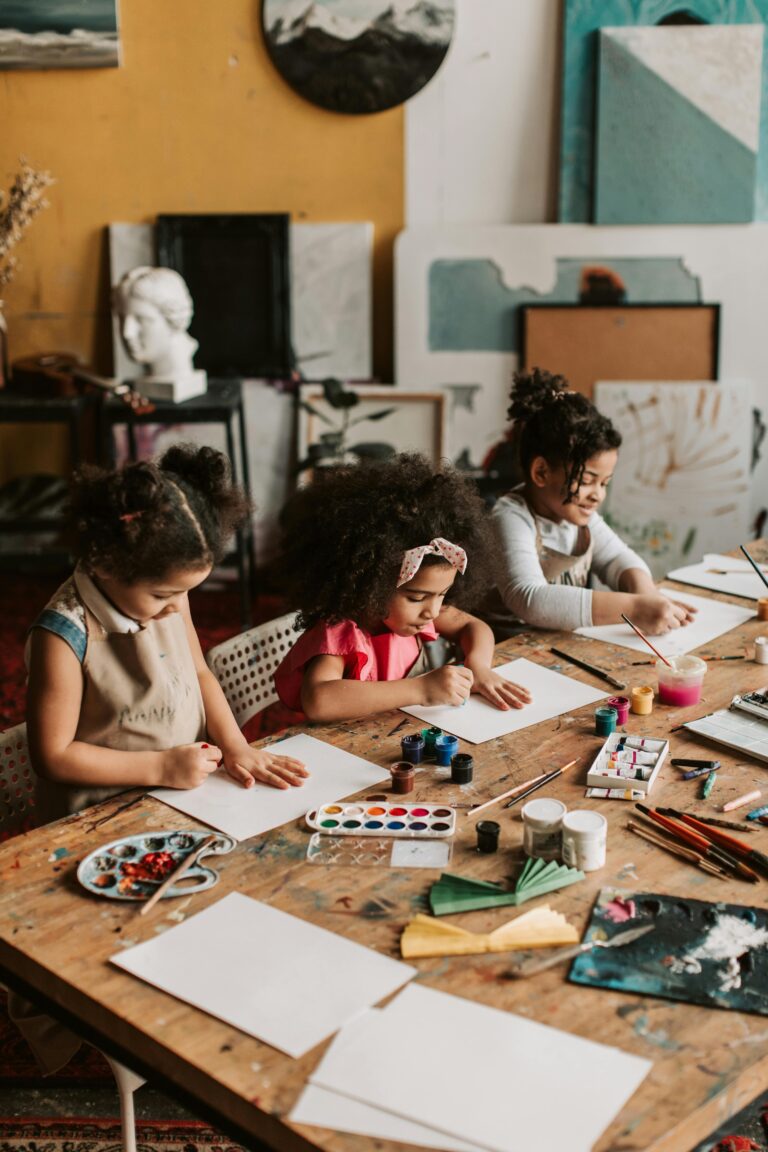
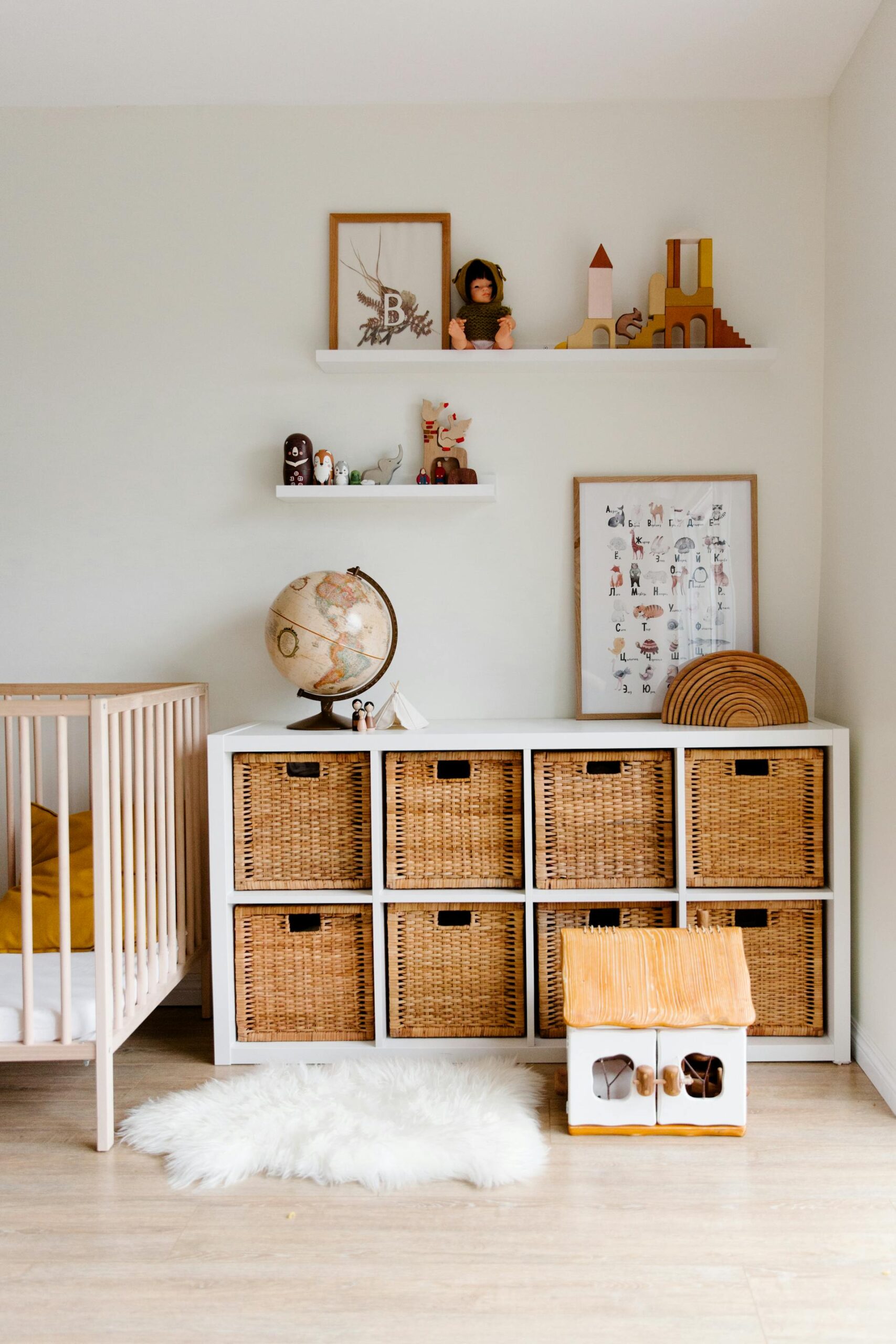
One aspect of the Reggio approach that most often surprises visitors to our preschool is its aesthetics. The walls are not covered with loud posters of cartoon characters. The colours are calm and warm. The furniture is made of wood. On the shelves there are real ceramic dishes, not plastic cups. The children’s work hangs on the walls, displayed with respect — framed, labelled and beautifully lit.
Why does this matter so much? Because beautiful surroundings teach respect — for the space, for materials and for one’s own work. When a child sees that their drawing is taken seriously and displayed as if in a gallery, they receive a strong message: “what you create has value”. This builds self-esteem more powerfully than a hundred reward stickers. In the Italian educational tradition beauty is not an extra — it is a necessity, because it expresses respect for the child as a full person.
Materials that invite discovery
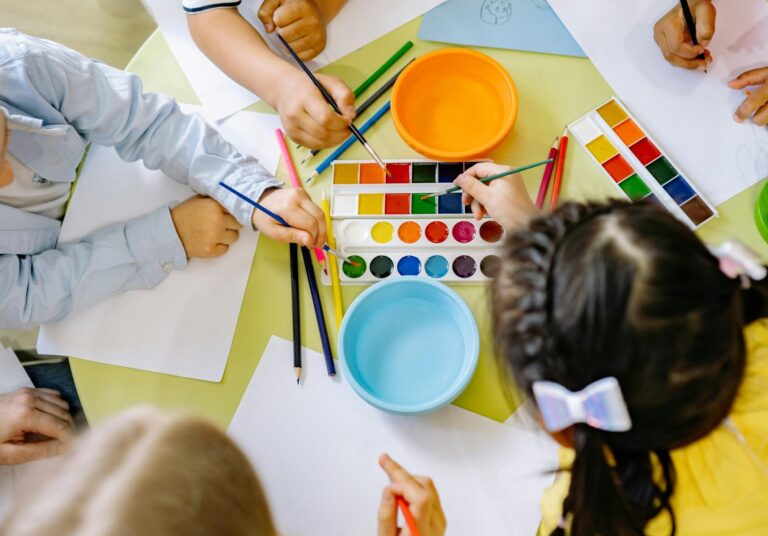
In Reggio Emilia-inspired preschools, materials play a special role. We prefer natural materials — wood, stones, shells, fabrics and clay — to ready-made plastic toys with a single function. Why? Because open-ended materials (so-called loose parts) let the child give them meaning. A stick can be a magic wand, a fishing rod, a letter or part of a building. A pebble can be a coin, an animal or a piece of a mosaic.
This openness stimulates imagination and creative thinking far more than a toy that does exactly one thing when you press a button. In our atelier — our creative studio — children have access to paints, clay, collage materials and drawing tools, as well as magnifying glasses, mirrors and lights that let them explore the world from different perspectives. The theory of loose parts was first described by the architect Simon Nicholson in 1971 and has since become one of the pillars of modern pedagogy.
Light and nature
Natural light is highly valued in the Reggio Emilia philosophy. The preschools in Reggio Emilia are known for their large windows, tables by the windows, mirrors reflecting light and special corners where children can experiment with light and shadow on light tables. The presence of nature — plants, stones, wood and water — is also key. Contact with nature calms, develops the senses and awakens a natural curiosity about the world.
At Accademia dei Piccoli we are lucky that our space is surrounded by greenery. The garden is an extension of the classrooms — children go outside not just for a “break”, but to continue their projects, observe nature and learn from it. Research on outdoor education clearly confirms that children who regularly spend time outdoors are calmer, more focused and more creative.
A space that says “you belong here”
Personalising the space is an important element. Children should see traces of their presence at preschool — their work, photos and names. This builds a sense of belonging and security. At our preschool every child has their own place, their own symbol and their own space for their work. Project photos hang at children’s eye level, not adults’ — because the children are the most important audience. Developmental psychologists stress that a sense of belonging is one of every person’s fundamental needs — and at preschool it can be met precisely through thoughtful design of the space.
What can you do at home?
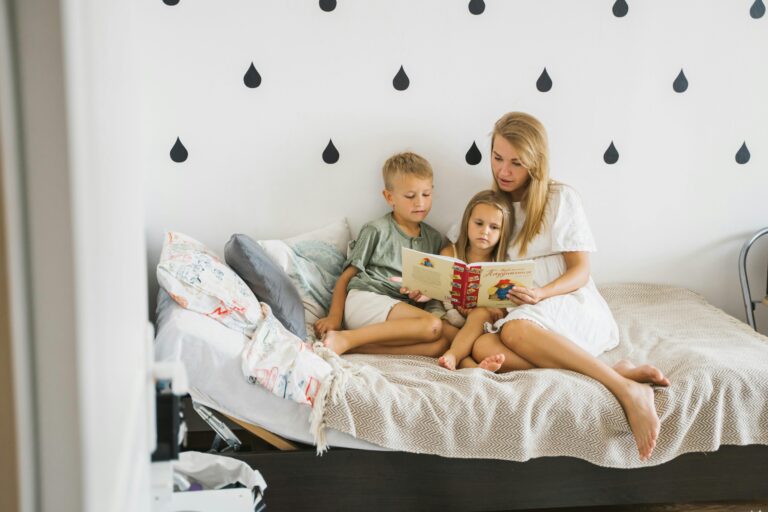
The philosophy of the third teacher does not have to be limited to preschool. At home, too, it is worth making sure that your child’s space is orderly, attractive and encourages independent activity. Put books and toys on low shelves so your child can reach them on their own. Display your child’s work on the wall with respect, as in a gallery. Create a creative corner with accessible materials — crayons, paper, play dough. Make room for natural light and plants. A space in which a child feels safe and invited to act is one of the most powerful tools for supporting development — and it doesn’t have to cost much.
Sources and further reading
- Ceppi G., Zini M. (eds.), Children, Spaces, Relations: Metaproject for an Environment for Young Children, Reggio Children – Domus Academy Research Center, 1998.
- Edwards C., Gandini L., Forman G. (eds.), The Hundred Languages of Children: The Reggio Emilia Experience in Transformation, 3rd ed., Praeger, 2012.
- Reggio Children – official website: Reggio Emilia Approach.

About the author
Katarzyna Jaszczuk
Methodological Director of Accademia dei Piccoli preschool in Kabaty. She is responsible for the Reggio Emilia-based curriculum, pedagogical documentation and supporting teachers in their daily work with children. Meet our team
Read also: What is the Reggio Emilia approach and why does it change the way we think about education? · The atelier — why every preschool should have a creative studio · Pedagogical documentation — why we observe and record instead of testing and grading
Would you like to see what this looks like at Accademia dei Piccoli?
You are welcome to visit our preschool in Kabaty (ul. Ekologiczna 4). Book by phone: +48 606 125 126 or by email: kontakt@piccoli.pl. You will find answers to the most common questions in our FAQ.